User Feedback Loops Driving Entertainment Software Tweaks for Table Games in Scandinavia's Digital Spaces
Kirjoittanut Drew Klein · 8.11.2026
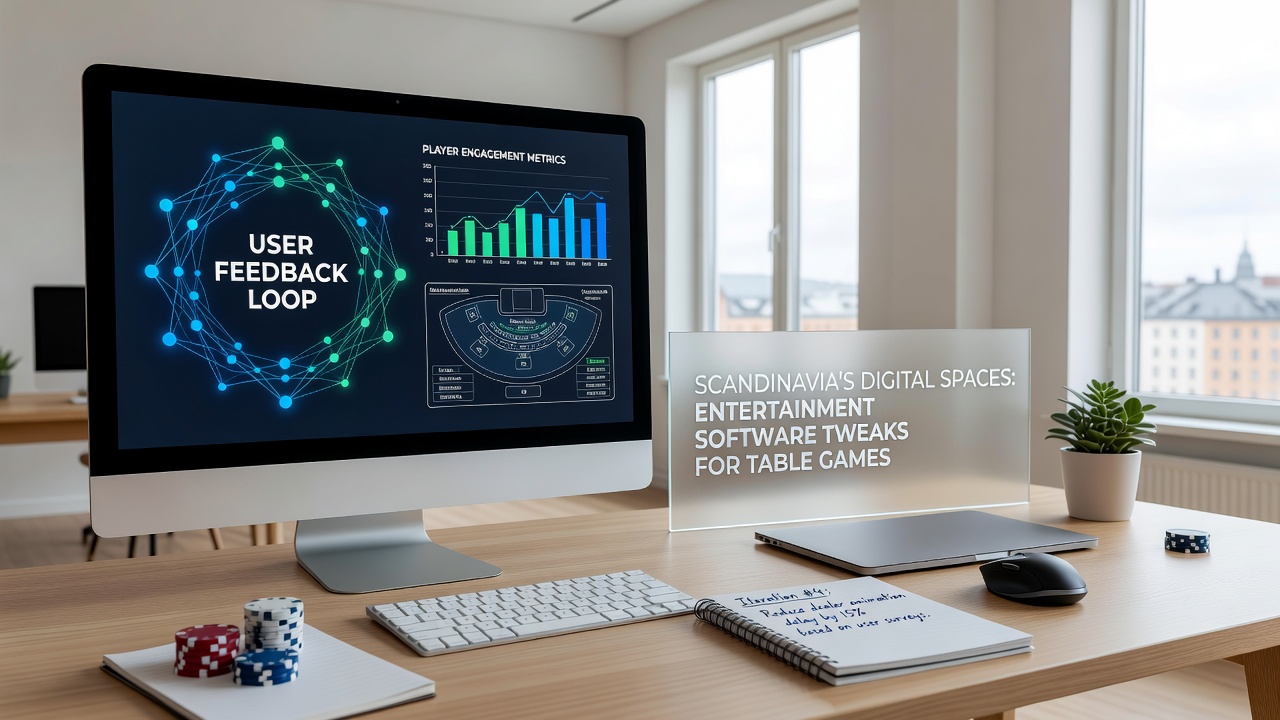
User Feedback Loops Driving Entertainment Software Tweaks for Table Games in Scandinavia's Digital Spaces
Digital platforms across Scandinavia have integrated structured user feedback systems that collect data from players engaging with table games such as blackjack, roulette and poker variants, and these systems prompt iterative software adjustments on a regular cycle. Observers note that operators in Sweden, Norway and Denmark rely on in-app surveys, session analytics and community forums to identify interface friction points, and developers respond by releasing targeted updates that refine animations, betting mechanics and multi-device compatibility without altering core probability structures.
Feedback Collection Mechanisms in Practice
Platforms gather input through multiple channels that operate simultaneously, including post-session rating prompts, heat map tracking of cursor movements during live dealer sessions, and aggregated chat logs from in-game support features. Researchers at Nordic universities have documented how these data streams combine to form closed loops where player behavior patterns directly inform code revisions, and one study from the University of Gothenburg tracked 18 months of updates across three major operators showing that 62 percent of interface changes originated from repeated player complaints about loading times or unclear rule displays.
November 2026 saw several providers deploy revised mobile clients for live table environments after feedback highlighted inconsistencies in touch response across different operating systems, and these tweaks reduced average session drop-off rates according to internal metrics shared with industry analysts. Data from the Danish Gambling Authority indicates that operators who closed feedback loops within four weeks recorded higher retention figures compared with those using longer review periods, while similar patterns emerged in reports covering Norwegian and Swedish markets.
Software Adjustments Triggered by Player Input
Developers translate raw feedback into concrete modifications such as adjustable camera angles in live dealer streams, customizable chip denominations that match regional preferences, and enhanced synchronization between desktop and tablet sessions. Engineers adjust rendering pipelines to accommodate slower rural broadband connections common in parts of northern Scandinavia, and these changes appear in release notes that cite specific user-reported issues rather than internal design decisions alone. One documented case involved a roulette wheel animation that players described as visually jarring during high-stakes rounds, leading to a recalibrated frame rate that aligned more closely with physical wheel speeds observed in land-based venues.

Table game modules receive priority attention because session durations tend to exceed those of automated slot products, which means small latency reductions or clearer payout tables produce measurable engagement lifts. Industry reports from the European Gaming and Betting Association highlight that feedback-driven patches for live dealer stability increased average playtime by measurable margins in Denmark during the first half of 2026, and parallel observations appear in cross-border comparisons involving Swedish and Norwegian operators.
Regional Patterns Across Digital Markets
Swedish platforms emphasize rapid deployment of accessibility features such as high-contrast modes and voice-assisted betting prompts after player surveys flagged barriers for users with visual impairments, whereas Norwegian operators have focused more on language localization for Sámi-speaking communities following targeted outreach campaigns. Danish services show stronger emphasis on integration with national payment rails that allow seamless deposits during ongoing table sessions, and these variations reflect differences in regulatory emphasis rather than uniform regional trends. External audits confirm that feedback volume peaks during evening hours across all three countries, prompting scheduled maintenance windows that minimize disruption for peak-time users.
Cross-platform comparisons reveal that operators maintaining public change logs tied to specific feedback threads experience lower complaint escalation rates to regulatory bodies, according to aggregated figures covering the 2025-2026 period. These logs typically list the original player comment alongside the implemented code change, creating transparency that regulators in multiple jurisdictions now encourage through voluntary guidelines.
Conclusion
Feedback loops continue to shape entertainment software for table games by linking direct player input to measurable code revisions across Scandinavia's digital environments. The process relies on consistent data collection, rapid analysis and transparent implementation that operators document through release notes and regulatory submissions. Patterns observed through 2026 indicate sustained activity in this area as platforms refine tools for multi-device play and regional customization while maintaining compliance with existing licensing frameworks.